
Oura, RingConn and Ultrahuman are the three smart-ring brands most people shortlist. Their current models, the Oura Ring 5, RingConn Gen 3 and Ultrahuman Ring Pro, track similar things, but they differ in what you pay over time, how long they last between charges, and how much independent evidence sits behind their numbers. This comparison sets those differences out side by side.
Quick verdict
- Oura Ring 5 if you want the most published independent research and a polished app, and accept a membership fee.
- RingConn Gen 3 if you want no fee and the longest battery, with the fewest gaps in your overnight data.
- Ultrahuman Ring Pro if you like an app that coaches you through the day and want a charging case so battery is rarely a concern.
Based on manufacturer specifications, published research and independent reviews, checked October 11, 2026. We have not tested these rings hands-on.
Head-to-Head Comparison
| Oura Ring 5 | RingConn Gen 3 | Ultrahuman Ring Pro | |
|---|---|---|---|
| Membership | $5.99/month or $69.99/year for full insights | None | None for core data; optional paid add-ons |
| Battery (manufacturer) | Up to 6–9 days | Up to 14 days (10–12 with vibration on) | Several days; charging case stores up to 45 days |
| Charging case | Optional, sold separately | Included | Included in the bundle |
| Key metrics | Heart rate, HRV, SpO₂, respiration, temperature trends | Heart rate, HRV, SpO₂, respiration, skin temperature, sleep-apnea risk indicators | Heart rate, HRV, sleep and recovery scores; check current SpO₂ support |
| Extras | 100+ app integrations | Vibration alerts, vascular trend insights | Proactive coaching, add-on platform |
| Water resistance | 100 m, IP68 | 100 m, IP68 | Check manufacturer specifications |
| Independent research | Most of the three, including a systematic review of sleep measures | Limited for this generation | Mainly company-generated |
| US availability | Yes | Yes (licensed by Oura) | Yes, since March 2026 (the earlier Ring AIR is excluded) |
| Where to buy | Check on Amazon | Check on Amazon | See on Ultrahuman |
Affiliate links: BioRestLab may earn a commission from qualifying purchases made through some links on this page, including as an Amazon Associate, at no extra cost to you.
Accuracy: What Independent Evidence Exists
This is where the three brands differ most, and where marketing claims are least helpful.
- Oura has the largest body of independent research, including a systematic review and meta-analysis of its sleep measurements and peer-reviewed validation of heart rate and HRV against ECG. Most of that research used earlier generations, not Ring 5.
- RingConn publishes its own data, but we did not find comparable independent peer-reviewed validation of the Gen 3.
- Ultrahuman validation is mainly company-generated, with small samples.
Independent reviewers add some context. One reviewer who compared the Ring Pro and Oura Ring 5 against an ECG chest strap found Oura’s heart rate and HRV readings closer to the reference, and found that the Ring Pro sometimes counted time resting on a couch as sleep. That is one person’s test, not a study, but it matches the overall picture: Oura’s numbers are the best documented. For any ring, follow trends over weeks rather than single nightly values.
Battery and Charging
Battery matters more than it seems: every night a ring spends on the charger is a missing night in your recovery trends. RingConn Gen 3 has the longest rated battery and includes a charging case. Ultrahuman takes a different route, with a shorter ring battery but a charging case in the bundle that holds weeks of power. Oura sits in between on ring battery, with its case sold separately.
Cost Over Three Years
Ring prices vary by finish and size and change often, so check current prices. The structural difference is the membership: Oura’s adds about $210–$216 over three years, while RingConn and Ultrahuman add nothing for core data. If the rings cost about the same upfront, Oura ends up the most expensive to own. Our guide to smart rings without a subscription covers the fee-free options in more detail, including Samsung’s Galaxy Ring.
Apps and Day-to-Day Experience
- Oura: calm, mostly passive app built around Sleep, Readiness and Activity scores, with the widest range of third-party integrations.
- RingConn: straightforward app with all data unlocked; Gen 3 adds vibration alerts for inactivity and health notifications.
- Ultrahuman: colourful, proactive app that pushes coaching prompts through the day, plus a platform of optional add-ons.
Which Ring Should You Choose?
| If you… | Choose |
|---|---|
| Want the best-documented data and use the ring to guide training decisions | Oura Ring 5 |
| Mainly care about sleep and want the fewest charging gaps | RingConn Gen 3 |
| Refuse a monthly fee on principle | RingConn Gen 3 (or Ultrahuman Ring Pro) |
| Want an app that actively coaches you | Ultrahuman Ring Pro |
| Are on a tighter budget | Consider the RingConn Gen 2 Air instead; see our no-subscription guide |
How we compared: we used manufacturer specifications, published peer-reviewed research and independent reviews, separating independent evidence from company claims. We have not tested these rings hands-on.
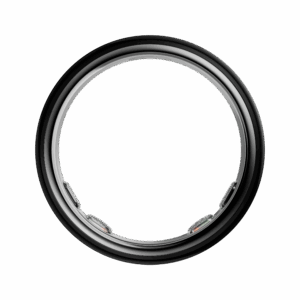
Best-documented data
Oura Ring 5
For data-minded users and athletes who value independent validation and integrations.
- Most published independent research of the three
- 100+ app integrations
- Membership (.99/month or .99/year) needed for full insights
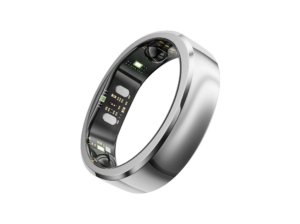
Longest battery · no fee
RingConn Gen 3
For sleep-focused users who want every feature without a fee and the longest time between charges.
- Up to 14 days per charge, charging case included
- Vibration alerts and vascular trend insights
- Limited independent validation so far; use the sizing kit
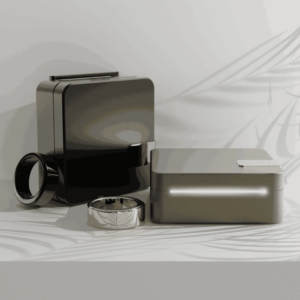
Coaching-style app
Ultrahuman Ring Pro
For people who want coaching prompts and a charging case in the box.
- No mandatory subscription for core data
- Charging case stores weeks of power
- Check current supported metrics and which features are paid add-ons
Links to retailers are affiliate links: BioRestLab may earn a commission from qualifying purchases, including as an Amazon Associate, at no extra cost to you. Commissions never decide which products we include.
Oura vs RingConn vs Ultrahuman: FAQ
Is RingConn as accurate as Oura?
There is not enough independent research on the RingConn Gen 3 to say. Oura has more published validation, mostly on earlier models. Both are best used for trends against your own baseline.
Why was Ultrahuman banned in the US?
In 2025 the US International Trade Commission found that Ultrahuman’s Ring AIR infringed an Oura patent, and an import ban followed. Ultrahuman redesigned the ring as the Ring Pro, which US Customs cleared in March 2026.
Which ring has the best battery life?
RingConn Gen 3, rated at up to 14 days per charge by the manufacturer. Ultrahuman’s ring battery is shorter, but its charging case stores weeks of power.
Is the Oura membership worth it?
It depends on how much you use the detailed trends and integrations. Without the membership, Oura shows little more than daily scores, so if you do not want to pay a recurring fee, a no-subscription ring is the better fit.
Related BioRestLab Guides
- Best Smart Rings Without a Subscription
- Best Smart Rings for Sleep and Recovery
- What to Look for in a Recovery Wearable
Sources
- Systematic review and meta-analysis of Oura sleep measurements
- Peer-reviewed 2025 validation study of consumer wearables against ECG
- Oura Ring 5 official specifications
- RingConn Gen 3 official specifications
- Ultrahuman Ring Pro official page
- Michael Kummer — Ultrahuman Ring Pro vs Oura Ring 5, tested against an ECG chest strap
- Notebookcheck — RingConn Gen 3 review (2026)
Medical limitation: smart rings are consumer wellness devices. Their measurements and scores are not a diagnosis and do not replace professional medical evaluation.